When scarcity is real and when it’s marketing
Some luxury shortages start at a workbench, some in company policy, some only on a product page. Here is who sets each limit and how it works.
Status, taste and the price of having more.
Some luxury shortages start at a workbench, some in company policy, some only on a product page. Here is who sets each limit and how it works.
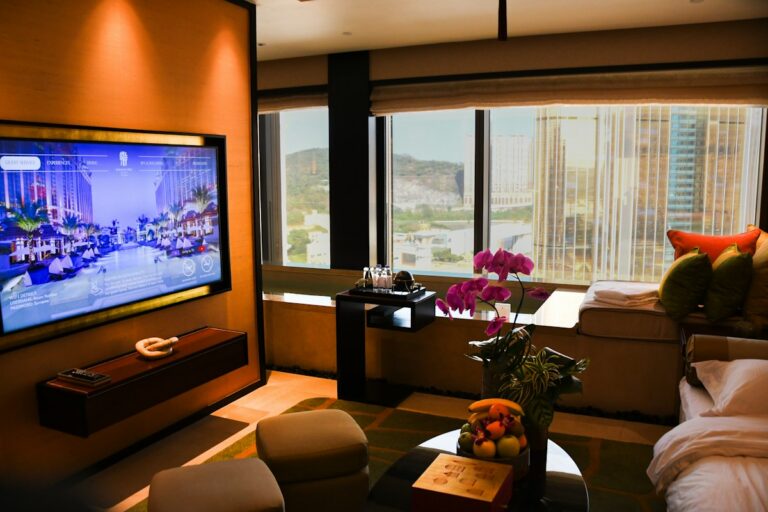
A luxury hotel suite sells floor space, an address, staff time and scarcity. How those parts add up to some of the highest rates in hospitality.
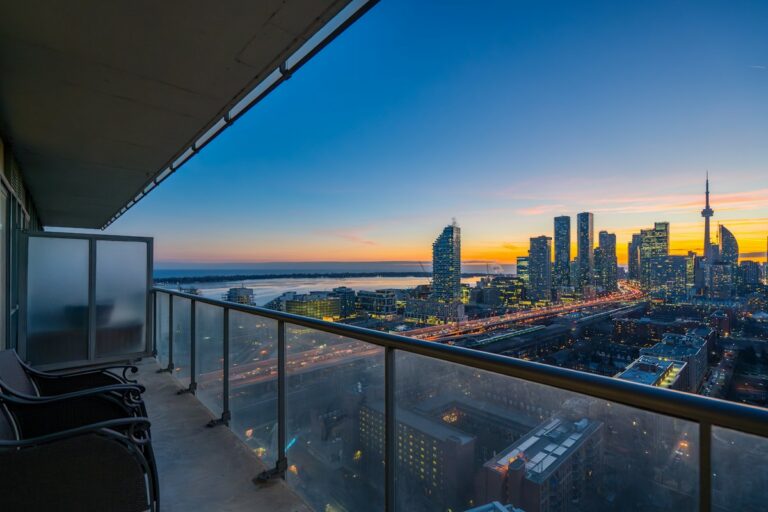
Before elevators, height meant stairs. A 1925 Fifth Avenue deal and steady marketing turned the top floor into a status address.
A home listing's most persuasive line describes things the seller doesn't own. How amenities, place names and fair housing rules shape what listings promise.
Private members clubs are booming again. A look at what the fee really buys: status, amenities, a reliable seat and a curated crowd, and what it…
A heavy jar of face cream makes an argument before it opens. Estée Lauder and L'Oréal filings show where a prestige beauty price actually goes.
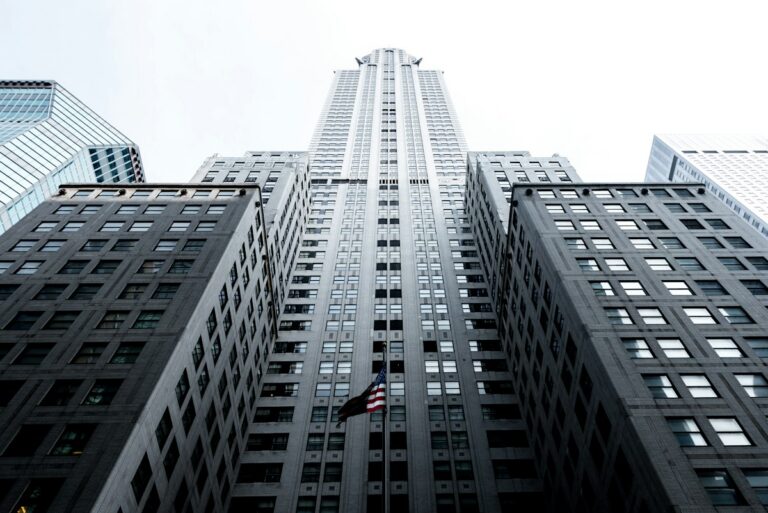
The Chrysler Building, Transamerica Pyramid and Flatiron show how architectural scarcity and symbolism create trophy assets, and what they cost to keep.
Galleries rent the walls, collectors get the first hours, and the public arrives later. A look at the booth fees and early access behind an art…
From a 1939 invitation-only club to Delta's visit limits and private terminals, how airport lounges sell scarcity and work to keep it.
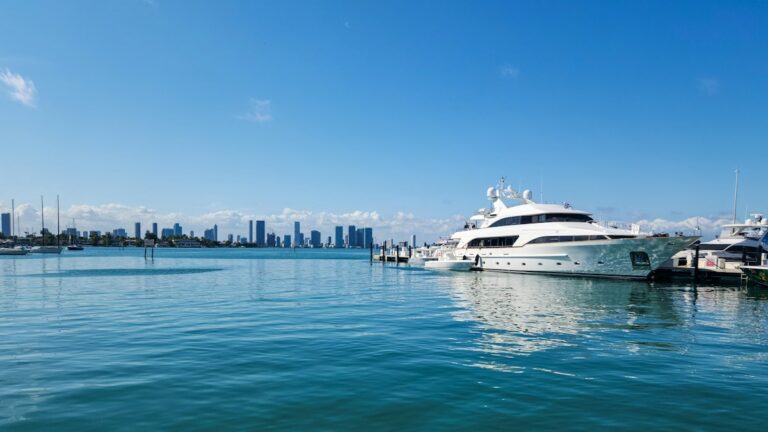
Design studios, crew pay, refit yards and shipyard service divisions: how a superyacht's cost keeps building long after the hull is delivered.
Why sellers pay to furnish expensive homes they are leaving: the warehouses, the fees and the limits of what staging can actually prove.
Why expensive things get second lives: how luxury resale handles authentication, unpredictable supply and prices that a few famous bags can distort.