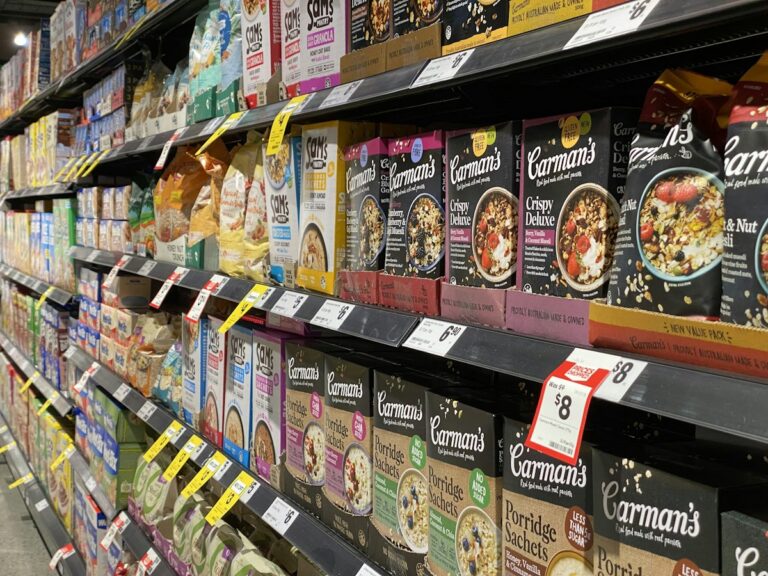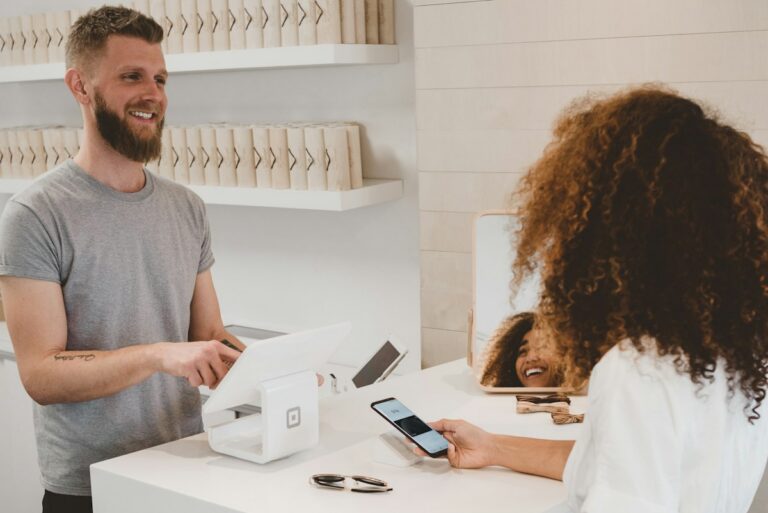
The shelf tag carries two prices. The big one, in the louder color, is for members. The smaller one is for everyone else. The gap is often just wide enough that people tap their phone number into the keypad while the queue waits behind them. Few stop to ask what the difference cost. A grocery loyalty card pays for it with something the store may value more than the markdown: a receipt with a name on it.
The discount buys a name for the receipt
Without a card, a sale is fairly anonymous: a basket, a time stamp, a payment. With one, it becomes another line in a household’s shopping history. Kroger covers this in its annual report for the fiscal year ended January 31, 2026. It says it serves about 63 million households a year, and that its rewards program ties more than 95% of customer transactions to a loyalty card.
That percentage counts for more than any single markdown. A chain can see which households buy what, how often, and what they skip when a price moves. With that, it can plan stock, shape offers and check whether a promotion did anything at all. Picture an illustrative jar of salsa on member pricing. The shopper counts 70 cents saved. The store counts whether that household returns next week, and whether chips came along for the ride.
Who else pays for a grocery loyalty card
Then the data finds a second customer. Kroger Precision Marketing, the grocer’s media arm, sells advertising to the brands on its shelves. The same 10-K describes how it can connect ad impressions to actual household purchases, both online and in stores. In July 2025, Kroger folded retail media, consumer insights and loyalty marketing into that single unit. The change was announced in the unit’s own press release and reported by Grocery Dive.
That shifts who the card is for. A cereal brand buying a targeted ad wants evidence the ad worked, and the loyalty program is how the store supplies it. A coupon code online leaves a commission trail. A card at the register leaves something more granular: a named basket, refreshed every week.
Are member prices real discounts?
Skepticism is a fair reflex, and Britain’s Competition and Markets Authority put it to the test. Its 2024 review of supermarket loyalty pricing found that 92% of the member prices it examined were genuine, according to The Grocer. Yet more than half of consumers believed such prices were misleading. The discounts largely held up. The trust did not. People can be oddly loyal to their suspicions.
The British market isn’t Kroger’s, but the trade at the till looks familiar, and points turn out to be the smaller lever. In its 2026 comparison of UK schemes, Which? lists Tesco Clubcard as returning £1 for every £100 spent, on top of member-only prices. That works out to 1%, a polite thank-you. A visibly lower shelf price makes the louder argument. That may be why the tag, not the points balance, does most of the persuading.
Where the data could go next
The records that make a targeted offer possible could, in principle, support different prices for different people. In January 2025, FTC staff released interim findings from a study of intermediary firms that sell pricing and data services to businesses. Staff said those firms can draw on a wide range of personal data to tailor prices. These were preliminary observations from a study then still underway. They were not a rule, and they were not a case against any grocery chain.
That status matters. What Kroger documents is a card that matches discounts to households and sells measurement to brands. Charging one shopper more than the next would be a separate step, and the FTC staff raised it as a possibility, not as a grocer’s recorded practice.
Which leaves the member price in an odd position. It is the only part of the arrangement printed large enough to read from the end of the aisle. The rest of the bargain sits in a database, where brands pay to read it.
Figures are as of the dates given in the text. Kroger figures come from its annual report for the fiscal year ended January 31, 2026.