Money
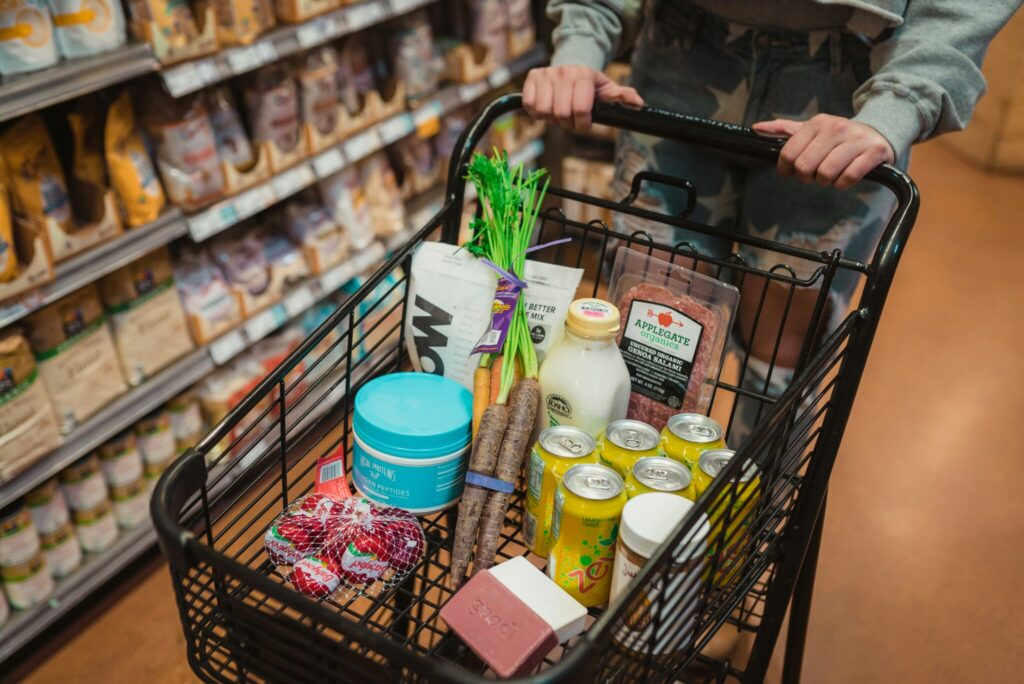
The economics of a grocery-store loyalty card
A grocery loyalty card trades a lower shelf price for a named receipt. How the discount, the shopping data and the advertisers fit together.
16 stories
A grocery loyalty card trades a lower shelf price for a named receipt. How the discount, the shopping data and the advertisers fit together.
Travel-size products often cost far more per ounce than full-size bottles. Here's how the checkpoint rule, packaging costs and convenience shape the price.
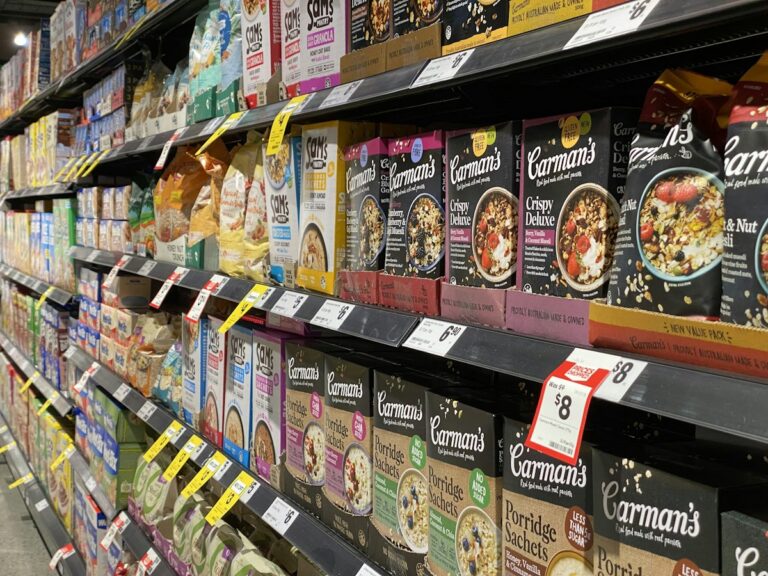
Why some products sit at eye level: slotting allowances, category captains, eye-tracking research and the legal limits on manufacturer payments.
Interest-free installments aren't free to provide. Who pays for buy now, pay later, why stores promote it, and where the risk lands for shoppers.
Store brands set US sales records in 2025 and kept gaining units in 2026. What the price gap buys, and who actually makes the store-label box.
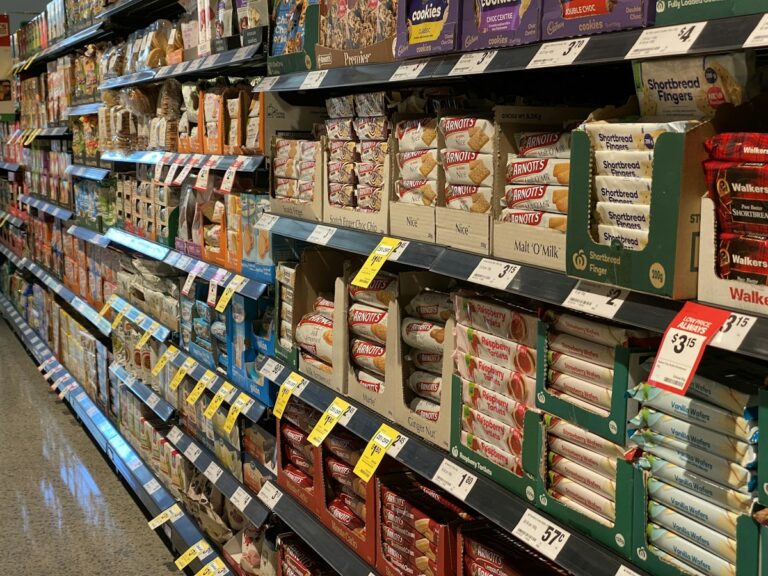
Prices ending in 9 aren't a myth. Research shows how the left digit changes what we think we're paying, and where the effect stops working.
Gift cards let a store take your money in December and serve you later. Starbucks filings show how timing and unspent balances shape the deal.
Shrinkflation keeps a package familiar while the contents shrink. How unit prices expose it, how often it happens and where the rules changed in 2026.
Countdown timers and percentage-off stickers both rely on numbers the seller picks. Here is what researchers and regulators found when they checked them.
A coupon code at checkout triggers a chain of commissions. How affiliate tracking and last-click credit decide who gets paid for the sale.
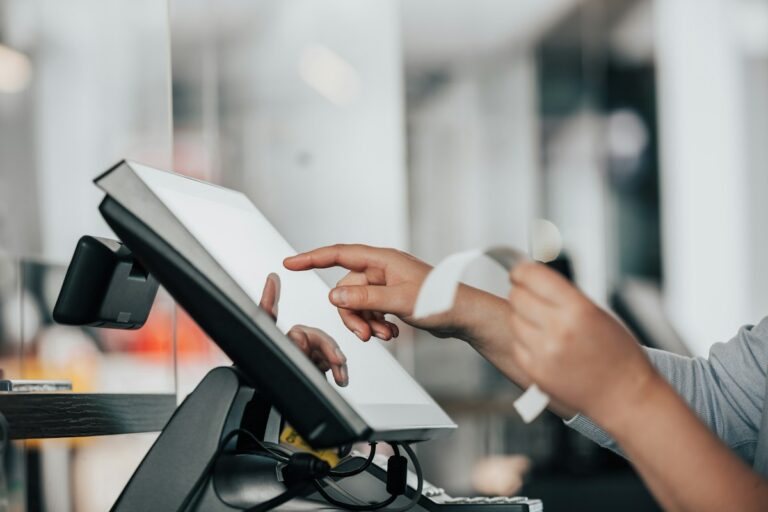
The paper receipt has outlasted apps and email. How it handles returns, card-number privacy rules, thermal paper regulation and expense records.
Forgotten subscriptions run on a decision made once and a cancellation postponed forever. What gym data and a newspaper experiment show about inertia.