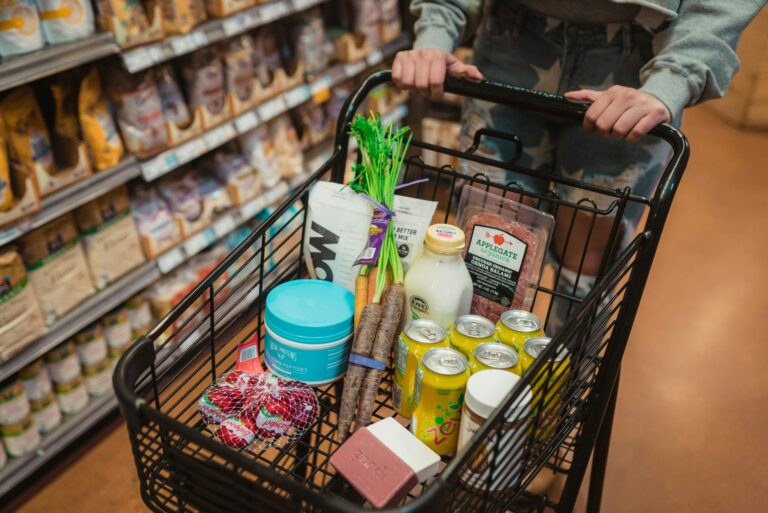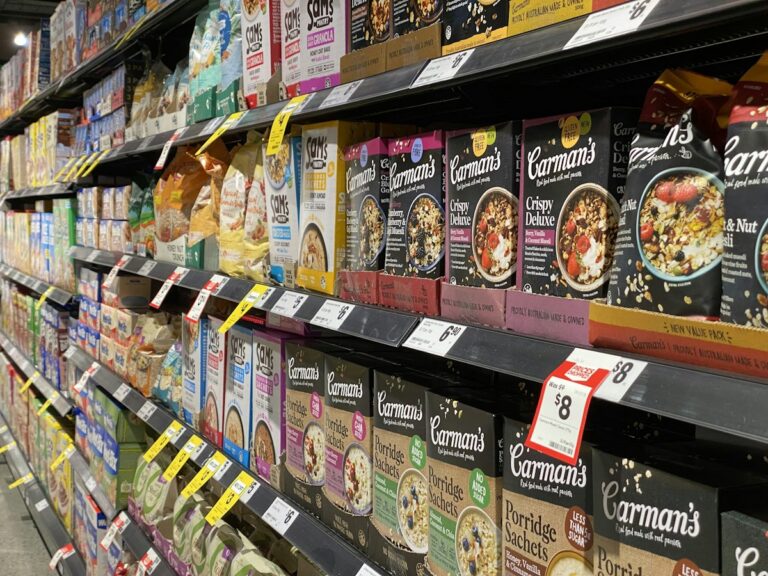
Nobody reads the net weight on a chocolate bar they have bought a hundred times. The hand knows the wrapper, the price looks about right, and the bar lands in the basket on reputation alone.
Why a familiar package does the hiding
Call it a price rise delivered by subtraction. Instead of changing the number on the tag, a maker trims what’s inside, a few grams here, a few sheets there. The shelf price, the figure shoppers actually remember, stays put or barely moves.
It works because repeat purchases run on recognition, not inspection. A new weight printed in the usual small type is technically disclosed and practically invisible. In 2026 a German court treated that gap as a legal problem. According to a dpa report, the regional court in Bremen found that Mondelez had cut Milka bars from 100 grams to 90 grams with only minimal changes to the packaging. The court ruled that the lighter bars could not be sold in the same wrapper if 100-gram versions had been on offer in the preceding four months. The ruling was not final and could be appealed.
The unit price does the arithmetic
Picture an illustrative bar that drops from 100 grams to 90 while its shelf price holds. The same money now buys nine-tenths as much chocolate, so the price per gram rises by about 11%. The unit price on the shelf label is the small line reading per 100 grams or per kilo. Where stores show it, it is the one place the change surfaces plainly, because it is calculated from the contents rather than designed around them.
That little line is less consistent than it looks. In the US, unit pricing rules vary by state. The 2025 edition of the NIST guide for retailers is a best-practice document, not a mandate. It aims for a more uniform approach and draws on a model regulation and the 16 states that have unit pricing regulations of their own. Meanwhile a shopper comparing a price per ounce on one tag with a price per pound on the next is doing a conversion the store could have done for them.
How often shrinkflation actually happens
The outrage is loud. The data describe something steadier. A 2025 GAO report analyzed Bureau of Labor Statistics records from January 2015 through December 2024. It found that downsizing happened more often than upsizing, was most frequent in 2015 and has fluctuated since. Products do grow, too, just less often.
The same report shows where the effect lands. In December 2024, downsizing added 0.5 percentage points to the year-over-year rise in per-unit cereal prices in the Consumer Price Index. So the official statistics already count a smaller box at the same price as a price increase. Shrinkflation is not invisible to statisticians, only to the person holding the box.
Where the rules are moving the tag
Regulators have mostly gone after the comparison rather than the pack. In Great Britain, amendments to the Price Marking Order took effect on April 6, 2026. They extended unit pricing to more packaged goods, including cereals, pasta, detergents and cosmetics. They also required standard metric units, such as per kilo or per litre, regardless of pack size.
France went for a sign. Under a government order in force since July 1, 2024, supermarkets must tell shoppers about prepackaged products whose quantity fell while the price per kilo or litre rose, and keep the notice up for two months. Compliance started slowly. A consumer survey by UFC-Que Choisir, cited by the law firm Bird & Bird, found 95% of the shops it checked were not following the rule between July 1 and 6, 2024.
Neither measure bans the smaller pack. Both make the store write down what a familiar wrapper tends to blur.
Which leaves an odd little hierarchy on the shelf. The wrapper can keep its color, its font and its place at eye level for years. The unit price, tucked into modest type on the shelf label, is the one number in the aisle the package designer never gets to touch.
Figures, rules and court rulings are dated in the text and were checked as of November 5, 2026.