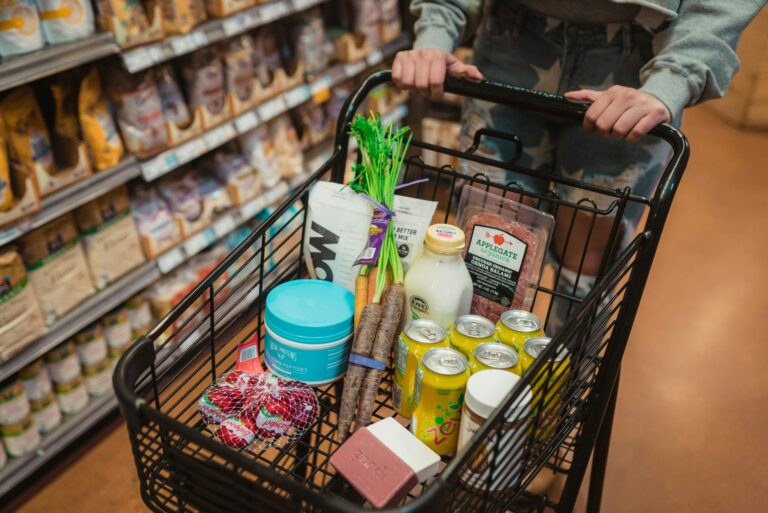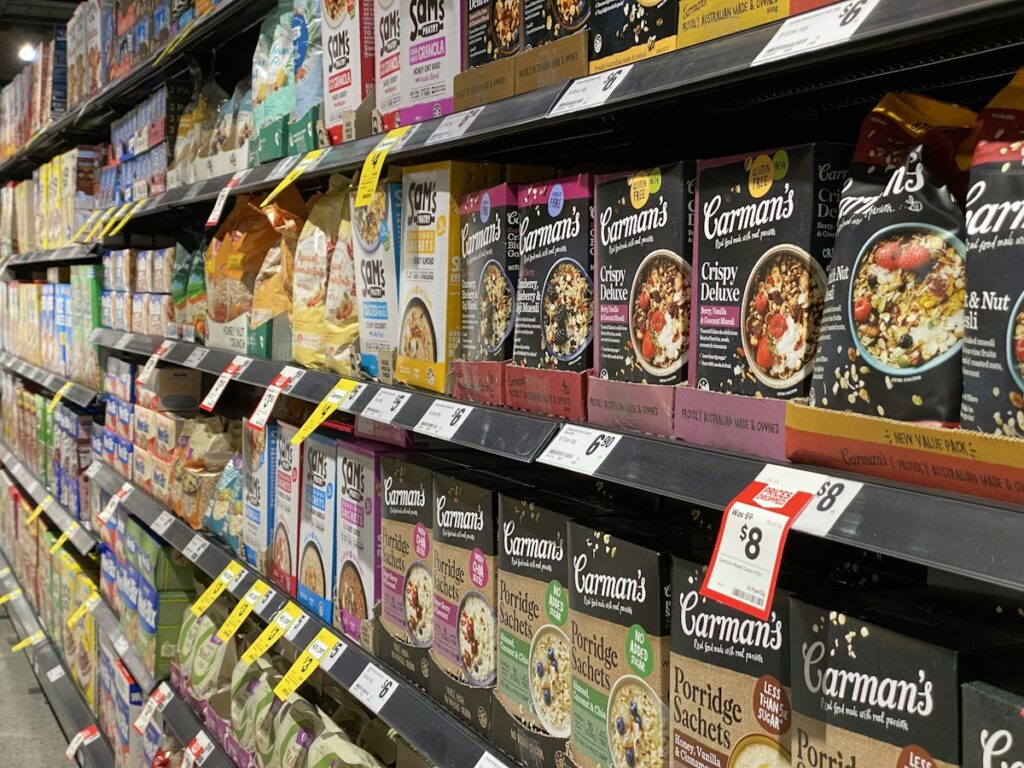
Picture a shopper in the peanut butter aisle of a supermarket, a toddler in the cart, one hand already on a jar sitting just under eye level. No glance downward. Below sit three other brands, a bigger size and possibly a better unit price, waiting with the patience of things nobody bends for.
The reach takes half a second. Deciding what sat under that hand took a negotiation, a diagram and, sometimes, money passed from the manufacturer to the store.
The shelf comes with a rent
Shelves are finite and new products keep arriving, so retailers charge for the slot. The industry calls these payments slotting allowances: up-front money a manufacturer pays to get a new item stocked. The Federal Trade Commission looked at the practice across several grocery categories in a 2003 staff study. It found that fees varied widely by category and could equal a large share of some products’ first-year sales. Retailers told the agency the money helped cover the cost of trying out new items. The FTC itself cautioned that its small sample might not represent the whole industry.
Slotting buys a product its place in the aisle. Where exactly in the aisle is a separate conversation.
Sometimes a supplier draws the map
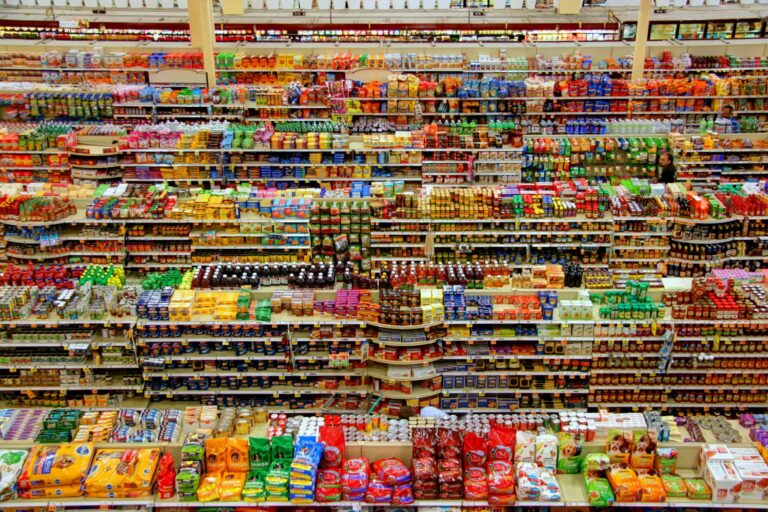
Some retailers lean on a “category captain.” This is a manufacturer that takes the lead on the planogram, the diagram showing which product sits where and how many facings it gets. As Supermarket News has described the arrangement, the captain’s plan covers rival brands as well as its own. The retailer can also collect alternative versions from other suppliers in the category before signing off.
The store presumably gets category expertise it doesn’t have to build in-house. The awkward part is obvious enough. It resembles asking one dinner guest to draw up the seating chart, then checking whether the others mind. The retailer keeps the final say, so which brands end up near the floor may come down to how closely anyone reads the plan.
What eye level actually buys
The research is fussier than the cliché. In an eye-tracking study published in the Journal of Marketing in 2009, Pierre Chandon and colleagues found that top and middle shelves drew more attention than low ones. But only the top-shelf advantage carried through to how shoppers rated the brand. Facings counted too, most of all for brands with small market shares. The researchers’ broader caution: being noticed and being bought are not the same event.
Even “eye level” turns out to be a loose label. A 2024 Marketing Science Institute working paper cites an in-store study at a US grocery store where attention peaked about 15 inches below eye level, with a tilt toward products on the shopper’s right. In that store, at least, the prized zone sat nearer the chest than the eyes.
Who gets offered the deal
In the United States, the Robinson-Patman Act limits how unevenly a supplier can hand out price breaks and promotional money to retailers that compete with one another. The FTC tested that law against PepsiCo, alleging the company gave big-box stores more favorable pricing and promotional allowances than their smaller rivals. On May 22, 2025, the commission voted 3-0 to dismiss the case, as Faegre Drinker reported, so the allegations were never tested in court. As of November 2026, the agency’s suit is over. The law it rested on is not.
Whatever that case might have shown, it points past the question of who pays for good placement to a quieter one: who gets offered the chance to pay at all.
The half-second nobody can invoice
For all the paperwork, the Chandon findings leave one stubborn gap. A manufacturer can pay for the slot, a captain can plan the layout and a jar can land 15 inches below a shopper’s gaze. Turning that glance into a purchase is the one step nobody can book in advance. The reach is the only part of the aisle that comes free, which may explain why so many companies pay to sit right beside it.