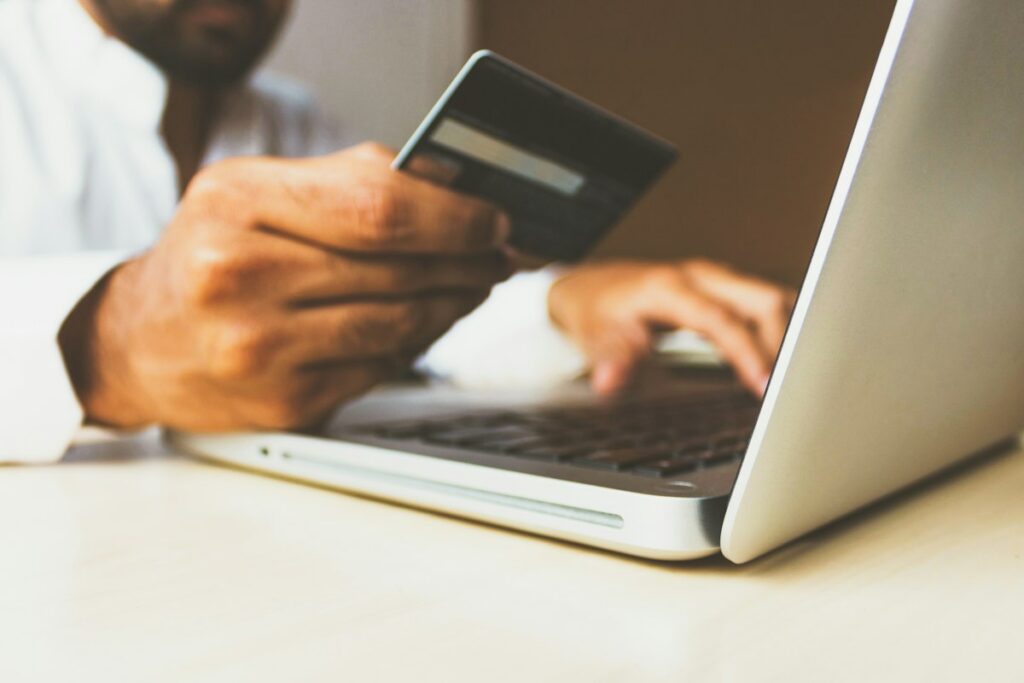
The checkout page asks for a shipping address, a card number and, with no explanation at all, an empty box labeled “promo code.” Nobody needs a discount to finish the order. But the box hints that someone, somewhere, is paying less. That hint is enough to nudge a shopper into a new tab to search the store’s name plus “coupon code.” The pasted code may work or it may not. Either way, that little detour often decides who gets paid for the sale.
The coupon code starts as a marketing decision
A retailer creates a code in its own systems and hands it to whoever it hopes will bring in buyers: an email list, a creator with an audience, a deals publisher. Some codes are meant for everyone. Others belong to a single partner, so the store can count which sales came from where. Codes travel anyway. Once one lands on a coupon site, anyone who searches is a paste away from it.
The coupon sites earn their money from retailers, not shoppers. In its annual report for 2013, RetailMeNot, then publicly traded, said nearly all of its revenue came from retailers paying commissions on sales traced to it through affiliate links. It had more than 10,000 paying retailers that year. Each contract carried a default commission rate, and the company said it generally sought higher rates from its biggest retailers. Many of those deals ran through performance marketing networks, the middlemen that supply the tracking links and relay each retailer’s terms.
Last click takes the credit
Many affiliate programs pay on a “last click” basis. The credit goes to whichever partner touched the shopper just before the purchase. The affiliate platform impact.com notes that under this model, coupon and cashback sites tend to look like a program’s star performers. That is largely because they turn up at the tail end of shopping trips that other partners started.
Picture a relay where only the runner crossing the line gets a medal. A shopper reads a review, watches a video and puts a jacket in the basket. Then the shopper lingers at that empty box and goes hunting. The code search comes last, so it gets paid.
One illustrative sale, counted out
Here is a made-up example with round numbers, not any real retailer’s terms. A shopper has an $80 jacket in the basket, finds a 15% code on a coupon site and pays $68. The retailer gives up $12 in price. If its deal with that site pays 5% of the sale, it owes another $3.40 in commission. That makes $15.40 spent on an order from someone who had already filled the basket.
Suppose a creator’s link brought that shopper in. The creator’s credit may vanish, overwritten by the coupon site’s later click. The retailer pays either way. The money simply follows whoever was last in line.
The fights over the final click
Browser extensions sharpened the argument. In 2024, PayPal’s Honey extension faced accusations that it attached its own affiliate tag to purchases even when it had not supplied a working code. On March 11, 2025, Google tightened its Chrome Web Store rules. Extensions must disclose their affiliate programs and may add an affiliate code only after a related action by the user. Honey had more than 17 million Chrome users at the time.
A group of creators, including Wendover Productions, sued and alleged that Honey swapped their affiliate IDs for PayPal’s at checkout. In November 2025, a federal judge dismissed the proposed class action. As Hello Partner reported it, the court’s reasoning rested on how last-click rules allocate commissions in the first place.
Search became another front. Starting in May 2024, Google began treating third-party coupon pages hosted on news sites as spam when the host publisher exercised little oversight. According to the affiliate network CJ, many of those pages lost visibility for coupon searches, and affiliate traffic fell with them.
What the empty box is really doing
To the shopper, a code is a price. To the retailer, it is also a ledger entry: a way to count where sales came from and decide who gets a cut. The box at checkout looks like an offer, but it behaves more like a ballot, and the shopper fills it in simply by searching. That explains a slightly odd arrangement. A store hands out a discount, then pays a commission to whoever helped a customer find it, even when that customer was already holding the jacket.
Policies, user counts and company figures are as of the dates given. The worked example is illustrative.