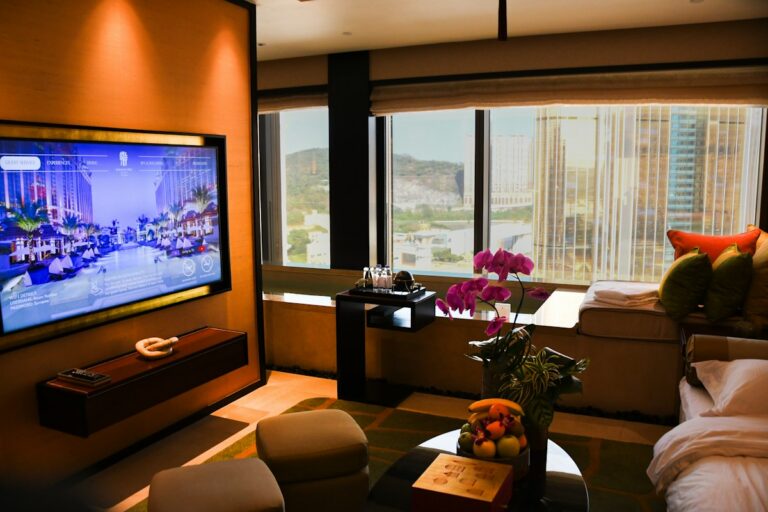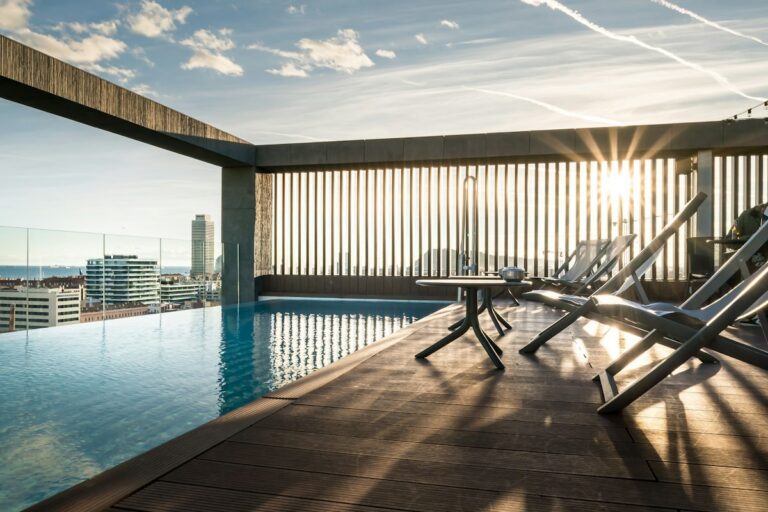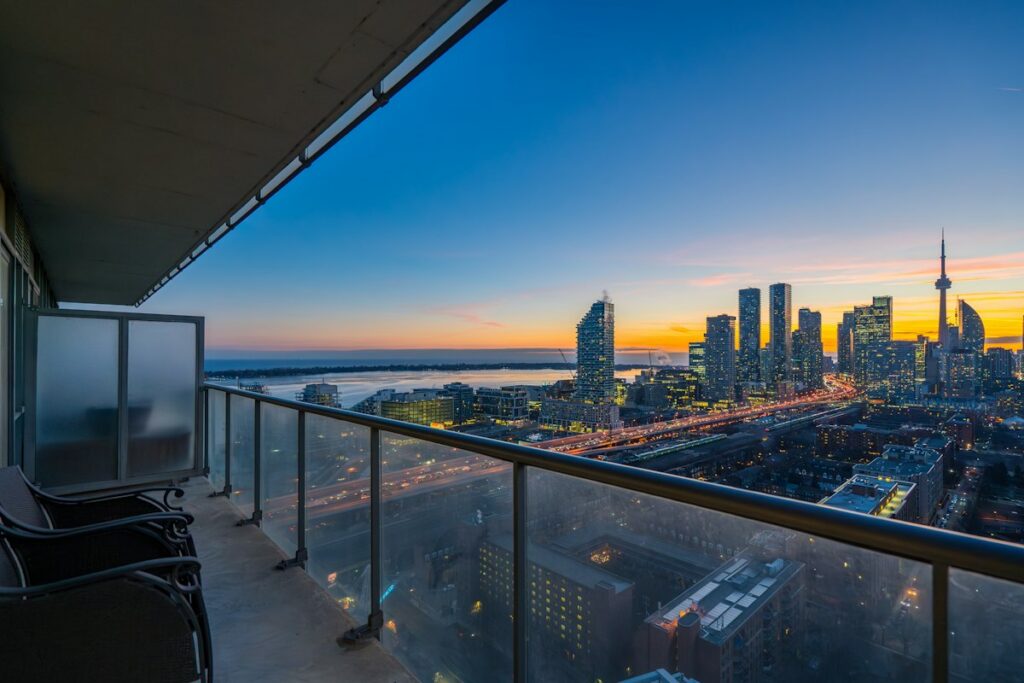
In plenty of tall residential towers, the elevator panel climbs in a tidy column of numbers until the last button, which gives up on numbers altogether. PH. Two letters, no floor, and the whole penthouse proposition compressed into the gap. Nobody has to explain who lives up there. The button has already done it.
Penthouse status needed a machine first
The joke folded into that button is that height has not always been worth paying for. What changed was arguably less taste than machinery. Without an elevator, every floor is paid for in stairs, and at least one market still prices it that way. A study of Taipei housing found that upper floors in walk-up apartments carried a discount. In high-rises, prices rose with height, though by smaller steps toward the top. Remove the climb and the top floor starts to look like a lookout.
A sales pitch stacked on a mansion
One of the best-known origin stories for the luxury penthouse is a 1925 property deal. A developer planning an apartment house on Fifth Avenue wanted the property of Marjorie Merriweather Post, the cereal heiress. According to New York Social Diary, the developer sweetened the offer with a home on the roof. It became the first penthouse on Fifth Avenue, at 1107 Fifth Avenue, spread over three stories and 54 rooms. The building’s profile on CityRealty also dates the building to 1925 and describes the 54-room triplex. Its features included 18 servants’ rooms, so the household staff went up to the top floor along with the household.
It is easy to see what each side took away. Post kept a mansion’s worth of rooms, simply relocated upward. The developer got a celebrated name at the top of the building, which plausibly advertised every floor beneath it. That arrangement still describes the top unit’s job reasonably well. It is the apartment that draws the coverage and the record-price headlines, and some of its glow presumably reaches the two-bedroom on the ninth floor. A penthouse sells the building along with itself.
What a penthouse view can actually demonstrate
Strip away the theater and a short list of physical facts remains: no footsteps overhead, fewer shared walls, often light from more than one side, frequently a terrace. Those are real advantages, and economists have tried to price them. A study of San Diego condominiums found that higher floors sold for more. The premium kept rising above a building’s average floor, if more gently, and the authors found evidence of an extra premium for top-floor units.
That is evidence, but narrower than any brochure. It describes what buyers in one market paid for height and position. It cannot put a figure on the sensation of being above everyone else. That part is supplied by the people selling it, with help from luxury home staging and a terrace photographed at dusk.
The upkeep of being on top
The Post apartment has a second act. Both New York Social Diary and CityRealty report that it was later divided into smaller residences. Fifty-four rooms, it turns out, is a lot of apartment to keep in one piece.
Asking prices show a milder version of the same strain. At Central Park Tower on West 57th Street, a triplex penthouse came to market in September 2024 at $250 million. By November 11, 2025, 6sqft reported, the ask had come down to $195 million. Prestige sellers rarely lead with discounts, but at the very top of the market a listing price is only a claim until a buyer agrees to it.
That is the quiet irony of the two letters on the elevator panel. They cost almost nothing to install and promise a great deal. The view is genuinely there, and researchers can measure some of what buyers pay for it. The rest of the price is still waiting for a signature.
Prices are as reported on the dates given and may have changed since.