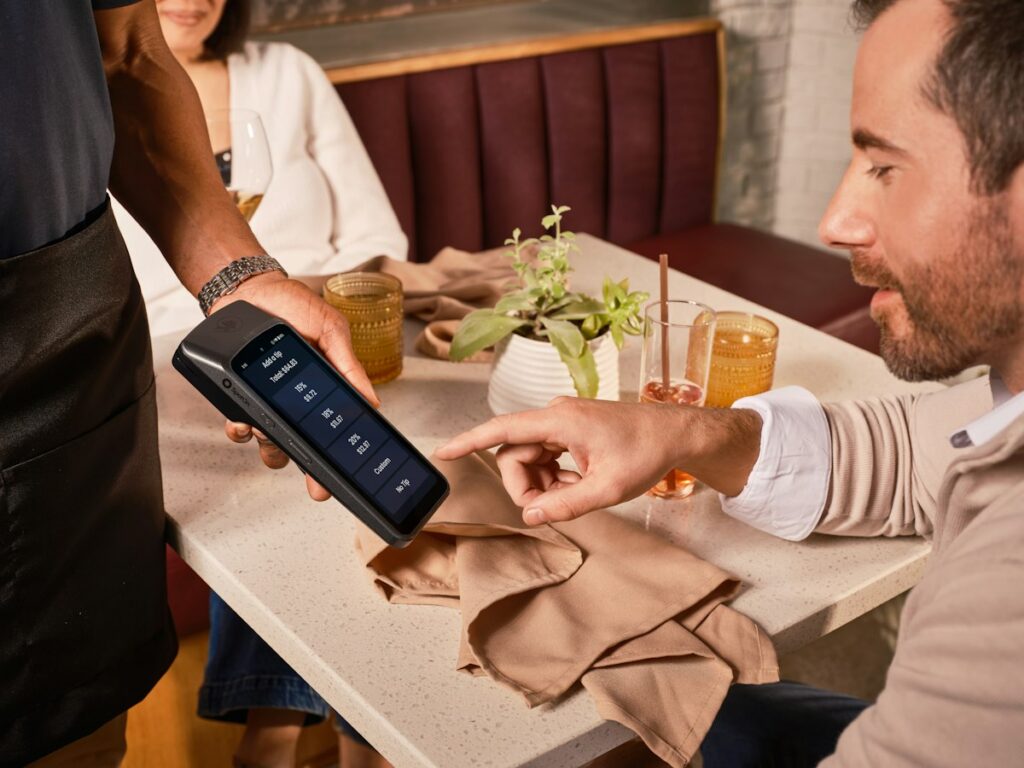
The check arrives in its little folder and lands, by some unwritten law, nearest the person who looked least ready for it. One diner had soup and tap water. Another ordered the second appetizer “for the table” and ate most of it. For about four seconds, everyone becomes deeply interested in their phone. Splitting the bill takes a minute of arithmetic and a much longer stretch of etiquette, and the etiquette is the part that lingers.
What splitting the bill does to the order
The suspicion that an even split changes how people eat has been tested in an actual restaurant. In a 2004 paper in The Economic Journal, economists Uri Gneezy, Ernan Haruvy and Hadas Yafe seated groups of diners under different payment rules. In their study, people consumed more when the cost was shared than when each person paid for their own meal. Asked about it, participants said they preferred paying individually. So the rule that nudged people to order more was not the rule they said they wanted.
Game theorists call this the diner’s dilemma, and the arithmetic is short. At a table of six splitting evenly, an extra dessert costs the person who wanted it one-sixth of its price. The other five-sixths lands on friends who didn’t order it.
The paper counted what people ordered, not what they were thinking, so anything about motive is interpretation. Here is one reading. Nobody at the table has to be scheming for this to happen. Each diner sees a discounted price on anything extra and orders accordingly. The soup-and-water diner sees the same incentive from the other end. For them, the even split works like a markup.
Someone at the restaurant has to do the dividing
For the restaurant, a split check is extra work at the terminal. The point-of-sale company Toast walks servers through splitting a check by item, dividing it evenly, or taking several forms of payment on one bill. It also gives restaurants a permission setting that blocks some staff from splitting checks at all. The documentation doesn’t say why an owner would turn that on. Its existence is the telling part: a split is something the business decides how to handle, not only a courtesy between friends.
Which helps explain why the moment feels exposed. Five cards in the folder and a polite request to “take the calamari off mine” put the group’s private accounting on display for a stranger who has four other tables waiting.
When the IOU became a post
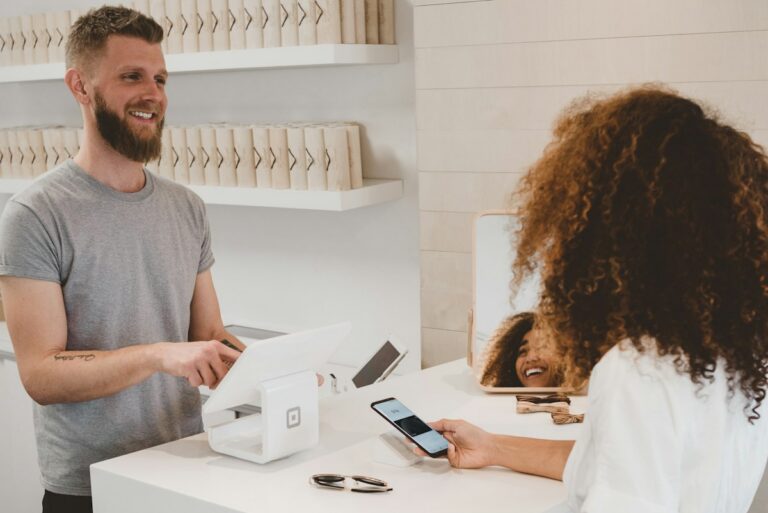
Payment apps promised to make the awkwardness disappear. For a while, they made it more visible. According to TheStreet, Venmo’s transaction feed was public by default for more than a decade, until the app’s 2026 redesign dropped public sharing as the default.
Under the old setup, settling up was a small public performance. A pizza emoji and a joke in the memo line turned a $14 debt into content. Whether that got people to pay faster or just made everyone more aware of who owed whom is anyone’s guess. None of the sources here measure it.
Cheap precision, new expectations
Apps like Splitwise keep a running tally across a group. Anyone can add an expense, and the app works out how to settle everything in as few payments as possible. That much is documented. The rest is observation: once an exact number costs nothing to calculate, rounding off starts to look like a decision rather than a convenience.
Plenty of groups used to run on looser terms. You get this one, I’ll get the next, and nobody counts too closely. A ledger app makes it effortless to count down to the 37 cents. Put people who like the loose version at the same table as people who like the exact one, and they aren’t really arguing about money. They are arguing about whether friendship should be itemized.
The folder holds two bills, in other words. The restaurant’s is accurate to the cent and gets paid in a minute. The group’s is made of favors, half-remembered rounds and assumptions nobody has said out loud, and it rarely gets settled at all.