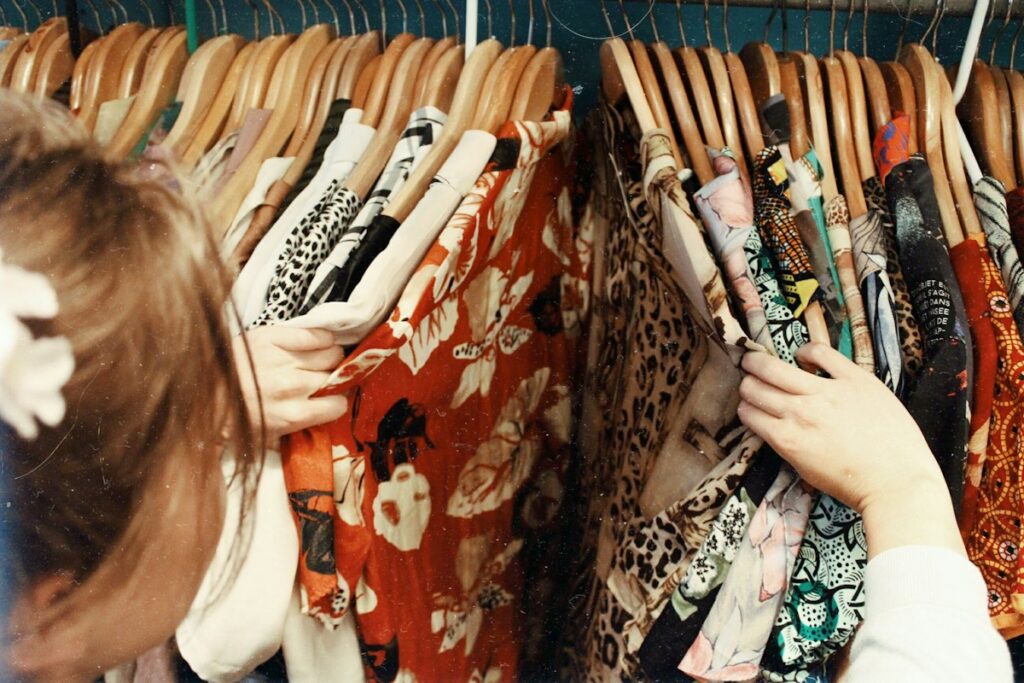
People look at a photo of a used coat in a particular way. They zoom in on the cuffs. They look for pilling under the arm. They read “worn twice” with the quiet suspicion of a customs officer and wonder who did the counting. Then, fairly often, they press buy. Secondhand shopping online asks a stranger’s description to stand in for a fitting room. The surprise is how many shoppers now take that deal without much fuss.
The problem an economist named in 1970
The mistrust has a famous name. In August 1970, George Akerlof published “The Market for ‘Lemons’” in The Quarterly Journal of Economics. He used used cars to show what goes wrong when the seller knows much more about the goods than the buyer. If buyers can’t tell a good car from a bad one, they offer a price that hedges between the two. Owners of the good cars decide that price isn’t worth it and keep them. The average quality on the lot slips, and so does the price.
A used sweater on a phone screen is the same problem with better lighting. The buyer can’t feel the fabric, smell the closet it came from or check whether “true to size” meant the seller’s size. Akerlof’s paper also listed what pushes back against this kind of doubt: guarantees, brand names and licensing. That list turns out to describe the modern resale checkout almost exactly.
What the checkout now promises
The big platforms have turned the counterweights into features. eBay’s help pages and its guarantee policy say that a buyer whose item doesn’t match the listing, or arrives faulty or damaged, may be covered by the eBay Money Back Guarantee even if the seller’s own return policy is stricter. In 2021, the company started authenticating handbags. At launch, the service covered bags sold for $500 or more from a list of top-selling designer brands.
The fine print matters, because these promises are narrower than the reassurance they give. A guarantee covers the gap between the item and its listing. It doesn’t cover the gap between the item and what the buyer imagined. Authentication covers certain categories and price levels, not the $14 cardigan. Still, the platform has taken on part of the doubt that used to sit entirely with the buyer, and buyers seem to count on it.
Search, scrolling and a shrinking stigma
A thrift store rewards patience: one rack, one jacket in the right size, another visit next week. A search bar skips all that, sorting by size and brand while saved searches keep looking after the shopper has stopped. Discovery is shifting too. ThredUp’s 2026 Resale Report, published April 2, 2026, drew partly on a GlobalData survey of 3,268 US consumers in January and February 2026. It found that nearly 50% of shoppers now come across secondhand finds through social media, creators and influencer feeds rather than traditional search. ThredUp sells used clothing, so the figure comes from a company with an interest in the answer. Browsing used goods has still become something people do while scrolling.
Acceptance is harder to measure. Nobody puts a number on embarrassment. The same report expects Gen Z and Millennials to drive more than 70% of the market’s growth through 2030, and projects the global secondhand apparel market will reach $393 billion by 2030, about 10% of apparel spending, according to GlobalData’s modeling for ThredUp.
What hasn’t changed
The coat still can’t be tried on. Condition grades are still the seller’s own words, and photos still flatter. The buyer still compares a discount against a risk they can’t quite size up, which is Akerlof’s problem with a returns window attached. People also still linger over the zoomed-in cuff, because a guarantee shortens the doubt without ending it.
The secondhand checkout hasn’t removed the uncertainty. It has priced it in, packaged it and given it a deadline. How far the new comfort reaches beyond the age groups and categories now driving it is an open question, and the most confident numbers come from companies that sell used goods for a living.
Market projections and survey figures are from ThredUp’s 2026 Resale Report, published April 2, 2026.