A 58-second video can sit on top of a lot. There may be a scrapped first take and a caption on its third rewrite. There may be a sponsor’s approval email and a disclosure that has to appear before anyone taps “more”. And there is usually a column of comments that someone will have to answer by evening. None of it shows up in the clip. That gap is most of what creator work actually is.
A public profile looks like a portfolio. It runs more like a small business. The owner also handles production, sales and customer service, on terms set by a platform, a brand and an audience.
Where the creator work hours go
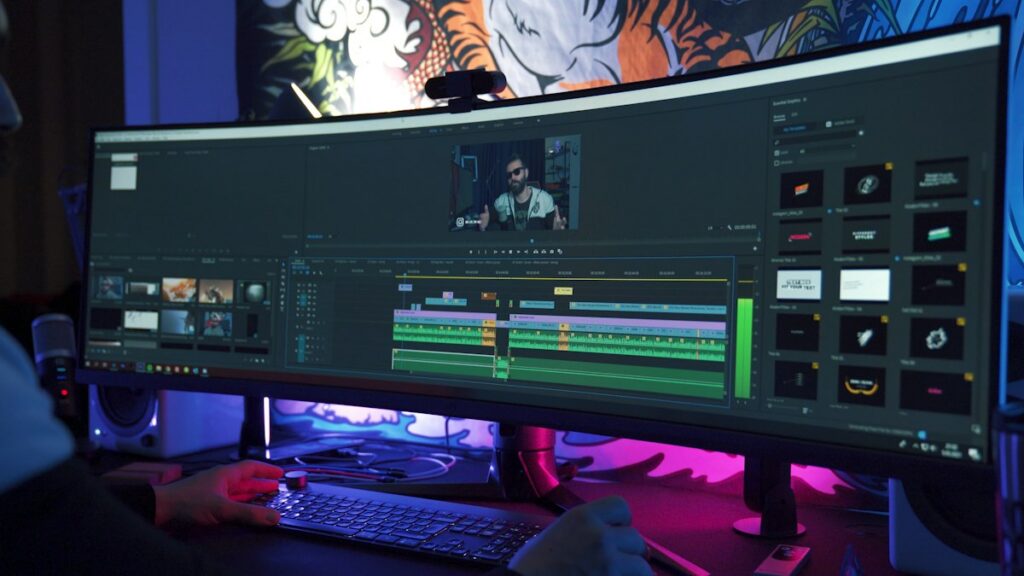
Production is the part people at least picture. Manychat surveyed more than 2,000 creators and social media users for its 2026 creator report. It found creators spending close to 20 hours a week on planning, filming and editing alone, with comments and DMs on top. Manychat sells software that automates those DMs, so it has a commercial interest in how heavy the inbox looks. Even so, the scripting, the reshoots, the thumbnails and the export that dies just before it finishes all land on one desk.
None of it comes with a schedule. A shift ends when the shift ends. A post is finished when it goes up, and then it either starts working or quietly doesn’t.
Who pays, and on what terms
Platform ad money is the income people tend to assume. YouTube partners who turn on watch page ads receive 55% of the net revenue from those ads, according to the company’s partner earnings page as of November 2026. Look at what that formula rewards: ads served against views. A week of editing that produces a video nobody watches earns about as much ad share as a week off.
Effort and income, unsurprisingly, keep a loose relationship. TechCrunch reported on a 2022 Linktree survey of 9,500 creators. Only 12% of full-time creators made more than $50,000 a year, and 46% made less than $1,000. Linktree also found no direct link between time spent creating and annual income. Those numbers are four years old. The view-driven payout model behind them hasn’t gone anywhere, and neither has the gap a viral side hustle video tends to leave out.
Sponsorships come with paperwork
A brand deal turns a creator into a contractor with a client. Depending on the deal, that can mean pitching, negotiating rates, working from a brief and waiting on approvals. Then comes compliance.
In the U.S., FTC staff guidance says creators should disclose any financial, employment, personal or family relationship with a brand. Free or discounted products count too, even when nobody asked for a mention. The guidance warns that disclosures placed only on a profile page, at the end of a video or behind a “more” click are easy to miss. It also says U.S. law applies to posts made abroad when it is reasonably foreseeable they will affect U.S. consumers.
Affiliate links keep a separate ledger. The discount code in a caption has a commission trail of its own.
Audience upkeep is the shift nobody clocks
The least photogenic part of the job is keeping people around. That means answering comments, remembering regulars, and deciding which DM gets a reply and which gets a block. In a 2015 paper in The Communication Review, communication researcher Nancy Baym calls this relational labor. The term fits because the relationship is the asset. Brands pay for an audience that trusts a person, and viewers stay because that person seems to answer back.
It wears on people. In the same 2022 Linktree survey, 39% of creators said they consistently had to take steps to reduce stress. There is no colleague to hand the inbox to. A few quiet weeks can let the audience, the recommendation feed and the sponsors drift off together.
The 58 seconds are the product. The job is everything that keeps the next 58 worth paying for: the reshoot, the disclosure, and the late reply to a stranger. That stranger may never buy anything, and still counts as part of the business.
Figures are dated in the text and reflect the sources as of November 5, 2026.